Is Turkey Still Cheap in 2026? What to Actually Expect
-
 Lulu the pug
 - January 6, 2025
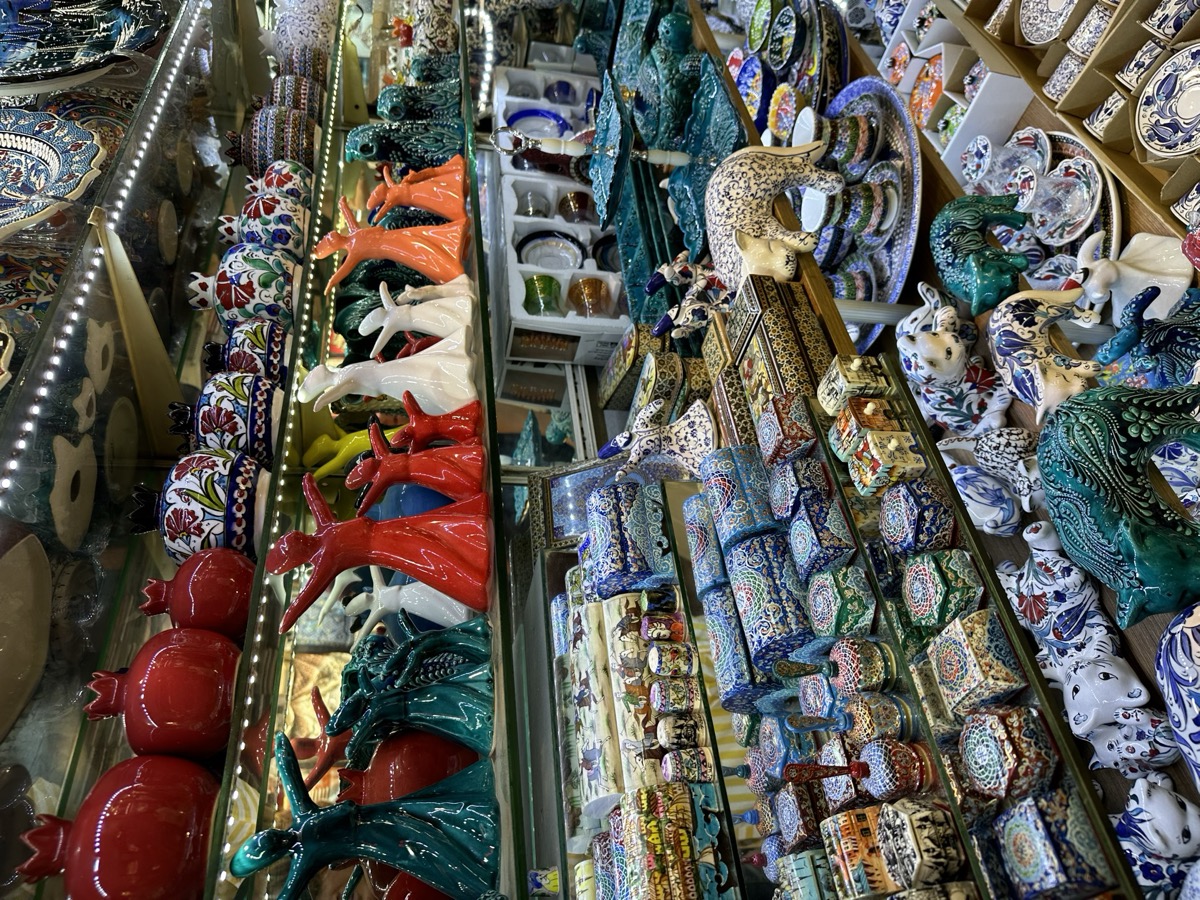
“Turkey is so cheap!” is something you’ll hear constantly from travel bloggers who visited in 2019. But a lot has changed since then. The Turkish lira has crashed, inflation has been brutal, and tourist areas have adjusted their prices accordingly.
So is Turkey still cheap in 2026? The short answer: yes, but not as cheap as it used to be. Here’s the real breakdown.
What Happened to Turkish Prices
The Turkish lira lost over 80% of its value against the dollar between 2019 and 2024. In theory, that should make Turkey incredibly cheap for foreign visitors. And for some things, it does.
But here’s what actually happened:
- Tourist-facing businesses started pricing in dollars or euros
- Attraction entrance fees increased dramatically
- Hotels in popular areas raised rates to match demand
- Local restaurants and transit stayed cheap
The result is a two-tier economy. Tourist stuff costs roughly what it would in a mid-range European destination. Local stuff is still dirt cheap.
What’s Still Cheap
Public transportation: The IstanbulKart costs about $1.50 and rides are $0.50 each. You can cross the Bosphorus by ferry for less than a dollar. This hasn’t changed.
Local food: A döner wrap is $3-4. A full meal at a neighborhood restaurant is $8-12. Simit (sesame bread) is $0.40. If you eat where locals eat, your food budget will be tiny.
Tea and coffee: Turkish tea is basically free (restaurants refill endlessly). Turkish coffee is $2-3.
Groceries and markets: If you’re staying somewhere with a kitchen, local produce and groceries are very affordable.
Domestic flights: Istanbul to Cappadocia can be found for $30-50 if you book ahead.
Uber/taxi (for distances): Still reasonable compared to Western cities.
What’s Not Cheap Anymore
Major attractions:
- Topkapı Palace: $20-30
- Basilica Cistern: $14
- Galata Tower: $20
- Ephesus: $25
These prices have roughly tripled since 2019 and are now comparable to attractions in Western Europe.
Hotels in tourist areas: A decent hotel in Sultanahmet or a cave hotel in Cappadocia runs $80-150/night. Not outrageous, but not the $30 boutique hotels of a decade ago.
Hot air balloon rides: €200-250 per person. This has always been expensive and hasn’t gotten cheaper.
Tourist restaurants: The places on main streets with English menus charge nearly European prices. $15-20 entrees are common.
Guided tours: Walking tours, day trips, and organized excursions cost about the same as they would elsewhere.
Real Daily Budget Expectations
Here’s what you should actually budget in 2026:
| Style | Daily Budget (per person) |
|---|---|
| Backpacker | $40-60 |
| Mid-range | $80-120 |
| Comfortable | $120-180 |
Backpacker ($40-60): Hostel dorms, street food and local restaurants, free attractions (mosques, walking around), public transit only.
Mid-range ($80-120): Private room in a decent hotel, mix of local and tourist restaurants, major attractions, some tours.
Comfortable ($120-180): Nice hotels, eating wherever you want, all attractions, tours and experiences, occasional taxi.
For comparison, a similar trip in Spain or Italy would run $150-250/day mid-range. So Turkey is still cheaper, just not dramatically so.
Where the Value Is
The best value in Turkey isn’t the rock-bottom prices. It’s the quality you get for moderate spending.
Food: $10 in Turkey gets you a better meal than $25 in most of Europe. The cuisine is genuinely excellent, portions are huge, and even “expensive” restaurants are reasonable.
Experiences: A Bosphorus sunset cruise, a hot air balloon ride, a Turkish bath, a cooking class. These cost real money but deliver memorable experiences that would cost more elsewhere.
Hospitality: Turkish hospitality is legendary. People are genuinely friendly and helpful in a way that’s hard to find in more touristed countries.
Off-the-beaten-path: The further you get from Istanbul and Cappadocia, the cheaper it gets. Smaller cities, the Mediterranean coast, and Eastern Turkey are significantly more affordable.
Tips for Keeping Costs Down
-
Eat one street back from tourist areas. Same food, half the price.
-
Use public transit. It’s excellent in Istanbul and cheap everywhere.
-
Book accommodations in advance. Walk-in rates are higher.
-
Visit in shoulder season. April-May and September-October have better prices and fewer crowds.
-
Learn basic haggling. Essential for the Grand Bazaar. Start at 50% of asking price.
-
Take the free things seriously. Hagia Sophia, Blue Mosque, wandering neighborhoods, watching the Bosphorus from a park. The best experiences often cost nothing.
-
Avoid the airport exchange. Rates are terrible. Use ATMs in the city.
Comparison to Other Destinations
How does Turkey stack up against alternatives?
| Destination | Daily Budget (Mid-range) |
|---|---|
| Turkey | $80-120 |
| Greece | $120-160 |
| Spain | $130-170 |
| Portugal | $100-140 |
| Croatia | $110-150 |
| Morocco | $60-90 |
| Egypt | $50-80 |
Turkey sits in the middle. Cheaper than Western Mediterranean destinations, pricier than North Africa. The value proposition is less about being cheap and more about being a great deal for what you get.
The Verdict
Is Turkey still cheap? Not like it was in 2015. Tourist infrastructure has priced itself for international visitors.
Is Turkey still a good value? Absolutely. You’ll spend less than comparable European destinations while eating better food, seeing more impressive history, and experiencing genuinely warm hospitality.
The travelers who will be disappointed are those expecting Southeast Asia prices. The travelers who will be happy are those expecting European prices and finding them 30-40% lower with better food.
Turkey in 2026 is a “great value” destination, not a “cheap” destination. That’s still worth the trip.